


Police Chase Accident Attorneys

Police pursuits in Kansas City kill and injure innocent bystanders, passengers, and other drivers every year. If a police chase caused your accident, you may claim against the officer.

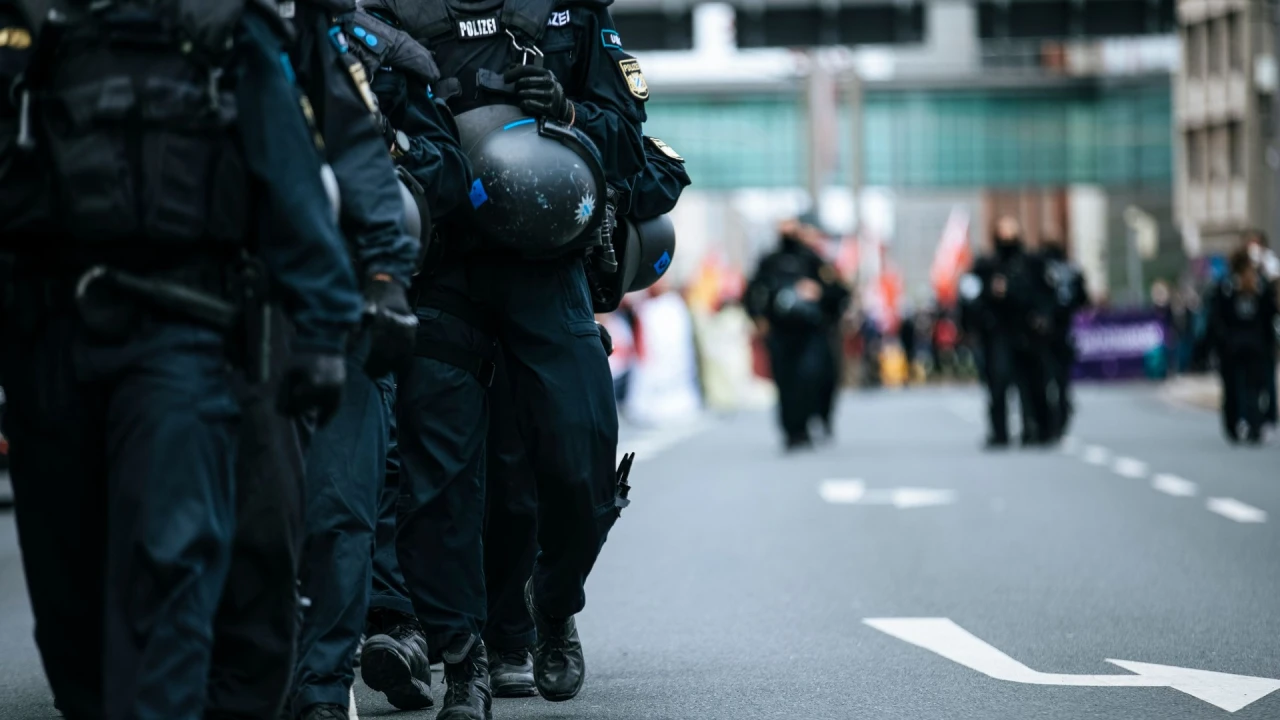
Police Banner 1920x1080

Tell Us What Happened

An attorney reviews every enquiry personally and calls you back .

Police pursuit accidents are not standard car crash claims. The defendant is a government entitya city, county, or state agencyprotected by sovereign immunity under the Kansas Tort Claims Act (K.S.A. 75-6101 et seq.). Sovereign immunity bars most lawsuits against the government unless a specific exception applies. Filing deadlines are shorter. Procedural requirements are stricter. The officer, the department, and the municipality will each claim they are immune from liability.

Attorney Tarak Devkota

Get a Free Consultation

If you’ve been injured or are facing a legal issue, you don’t have to navigate it alone. Contact our team today to schedule a free, confidential consultation.

In Kansas City alone, high-speed police pursuits have killed and seriously injured hundreds of bystanders, pedestrians, and uninvolved drivers over the past two decades. Innocent people are struck by fleeing suspects, by the police vehicles themselves, or by debris from the collision. Survivors face traumatic brain injuries, spinal cord damage, crushed limbs, and burns.

Tarak Alexander Devkota, Esq. and Devkota Law Firm have recovered millions for injury victims across Kansas and Missouri over 27 years. We represent people injured by Kansas City police car accidents, highway patrol pursuits, and sheriff department chases in Kansas City, North Kansas City, Independence, Wichita, and Overland Park.

What goes wrong without a police chase accident attorney:

  • The government claim notice deadline passes before you fileKansas requires written notice to the government entity, and deadlines can be as short as 120 days

  • The city or county invokes sovereign immunity under K.S.A. 75-6104 and the claim is dismissed on procedural grounds

  • The officer's conduct during the pursuit is never examined because no independent investigation was done

  • The fleeing suspect is blamed entirely for your injuries, even though Kansas case law holds that an officer's pursuit can be a proximate cause of a bystander collision

Kansas Case Law on Police Pursuits and Bystander Injuries

  1. K.S.A. 8-1506 Emergency Vehicle Liability. This statute allows officers in pursuit of a suspect to exceed speed limits, run red lights, and disregard traffic signals. But subsection (d) states clearly: these privileges do not relieve the officer from the duty to drive with due regard for the safety of all persons, and do not protect the officer from the consequences of reckless disregard for the safety of others. The Kansas Supreme Court confirmed in Robbins v. City of Wichita (2007) that "reckless disregard" is the standard of care for emergency vehicle drivers. An officer who pursues a suspect at high speed through a residential intersection without slowing, without activating warning signals, or without calling off the pursuit when the risk to bystanders becomes obvious may be held liable under this statute.

  2. K.S.A. 75-6103 Kansas Tort Claims Act (Liability). This statute waives sovereign immunity for government entities when an employee acting within the scope of employment causes injury through negligenceunder the same conditions that would make a private person liable. A police department that authorizes or fails to terminate a reckless pursuit can be held vicariously liable for the resulting injuries.

  3. K.S.A. 75-6104 Exceptions to Liability. The Kansas Tort Claims Act lists specific exceptions where the government retains immunity. The Kansas Supreme Court held in Montgomery v. Saleh (2020) that a law enforcement officer's pursuit of a fleeing suspect does not fall within the discretionary function exception in subsection (e) or the police protection exception in subsection (n). This ruling confirmed that pursuit-related injury claims can proceed against the officer and the state.

  4. Montgomery v. Saleh, 311 Kan. 649 (2020). In this Kansas Supreme Court decision, two people were injured when a suspect fleeing a Kansas Highway Patrol trooper ran a red light and crashed into their truck. The district court dismissed the case on summary judgment. The Supreme Court reversed, holding that a law enforcement officer's pursuit of a fleeing suspect may be the proximate cause of a collision between the suspect and a third party, and that genuine issues of fact precluded dismissal. This case established that Kansas bystanders injured in police pursuits can hold the pursuing officer and the state liable if the evidence supports a finding that the officer's conduct contributed to the crash.

  5. K.S.A. 60-513Statute of Limitations. You have two years from the date of the accident to file a personal injury lawsuit. But claims against government entities require written notice far earlierdeadlines can be as short as 120 days. Missing the notice deadline can bar your claim before the two-year statute even becomes relevant.

Claims against a Kansas city, county, or state agency require written notice to the government entity within a specific deadlineoften 120 days from the date of injury. If you miss this notice deadline, you may lose the right to file a lawsuit even though the two-year statute of limitations has not expired. Contact a police chase accident attorney before speaking to anyone from the police department, the city attorney's office, or the department's insurer.

Types of Police Pursuit and Law Enforcement Accident Cases We Handle

  • Bystander struck by a fleeing suspect's vehicle during a Kansas City police chase on city streets or highways

  • Bystander struck directly by the pursuing police vehicle during a high-speed pursuit

  • Pedestrian hit by a fleeing suspect or a patrol car that ran a red light or stop sign during a pursuit

  • Multi-vehicle pileup caused by a police chase on I-35, I-70, I-435, or K-10 in the Kansas City metro

  • Head-on collision caused by a suspect fleeing the wrong way on a Kansas City highway during a police pursuit

  • Passenger in the suspect's vehicle injured because the officer used excessive forceincluding ramming, PIT maneuvers, or roadblock tacticswithout justification

  • Wrongful death of a bystander, pedestrian, or occupant killed during a Kansas City police chase

  • Injuries caused by an officer's unmarked vehicle responding without lights or sirens and striking another vehicle at an intersection

Tarak Devkota

Tarak Devkota

"Success comes with constant dedication and hard work. We’re here to fight for justice, making sure every detail counts in your case."

-Tarak Devkota

Attorney

Devkota Law Firm Represents Police Chase Accident Victims Across Kansas and Missouri

Kansas gives you 2 years to file suitbut government notice deadlines can be as short as 120 days.

If a police pursuit caused your accident, the clock starts running on the date of the crash. The two-year statute of limitations under K.S.A. 60-513 applies to the lawsuit itself. But you must provide written notice to the government entitythe city, county, or statewithin a much shorter window. Miss the notice deadline and the lawsuit may be barred before it is ever filed. Missouri claims carry their own notice deadlines. Contact a police chase accident attorney now.

Mistakes That Weaken or Destroy Police Chase Accident Claims

  1. Missing the government notice deadline This is the single most common reason police pursuit claims fail in Kansas. The two-year statute of limitations under K.S.A. 60-513 is not your first deadline. You must file written notice with the government entityoften within 120 days of the accident. Once you miss it, the claim is barred.

  2. Assuming the fleeing suspect is solely responsible Kansas case law police pursuits accident decisions, including Montgomery v. Saleh (2020), have established that the pursuing officer can share liability when the officer's conduct contributed to the crash. The officer's decision to initiate, continue, or escalate a pursuit through residential areas or busy intersections is subject to scrutiny under K.S.A. 8-1506(d).

  3. Speaking to the city attorney's office or the police department's internal affairs unit without a lawyer These entities represent the government, not you. Statements you make can be used to argue that the officer acted within policy, that the pursuit was justified, or that your own driving caused the collision.

  4. Failing to preserve independent evidence Dashcam footage, body camera recordings, dispatch audio, and pursuit authorization records are controlled by the police department. If you do not demand preservation of this evidence immediately through legal channels, it may be deleted or overwritten under standard retention schedules.

  5. Accepting a settlement before understanding the full scope of your injuries Government insurers will move to settle police pursuit claims quickly and quietly. The initial number will not reflect future surgeries, long-term rehabilitation, or lost earning capacity. Do not accept any offer without a police chase accident attorney reviewing it.

Attorney Tarak Devkota

Injured in an Accident Involving a Police Vehicle?

Accidents involving police vehicles can raise complicated questions about liability, insurance, and government claims. Devkota Law Firm can help you understand your legal options and pursue the compensation you may be entitled to.

Frequently Asked Questions

Can I sue the police if a chase caused my accident in Kansas City?

Yes. Under K.S.A. 75-6103, government entities in Kansas can be held liable for negligent acts by employees acting within the scope of their employment. K.S.A. 8-1506(d) states that officers driving emergency vehicles must exercise due regard for the safety of all persons and are not protected from the consequences of reckless disregard.

How long do I have to file a claim after a police chase accident?

K.S.A. 60-513 gives you two years to file a personal injury lawsuit. But claims against government entities require written notice far earlierdeadlines can be as short as 120 days from the date of the accident. If you miss the notice deadline, your lawsuit may be barred. Contact a police chase accident attorney within days of the accident, not months.

How much does it cost to hire Devkota Law Firm?

Nothing upfront. We work on a contingency fee basis. You pay no fees unless we recover compensation for you. Your first case review is free.

What is sovereign immunity and how does it affect my case?

Sovereign immunity is a legal doctrine that prevents lawsuits against the government in most circumstances. The Kansas Tort Claims Act (K.S.A. 75-6101 et seq.) waives this immunity when a government employee's negligence causes injury under circumstances where a private person would be liable.
!

Editorial Fact Check

This page has been written, edited, and reviewed by a team of legal writers following our Editorial Guidelines. This page was approved by Founding Partner, Tarak Devkota, who has more than 27 years of legal experience as a personal injury attorney.

Why Choose Devkota Law Firm For My Case?

01

Your Attorney Handles Your Case Directly

From investigating the cause of harm to communicating with opposing parties and their insurers, Tarak and his team handle every detail. You speak with your attorney directly not a call center, not a case manager relaying messages.

02

We Move Fast to Lock Down Evidence

Kansas City cases move fast. Surveillance footage is overwritten in 7 to 30 days. Witnesses relocate. Skid marks fade. We act within days to preserve evidence and identify all responsible parties giving your case the strongest foundation.

03

You Pay Nothing Unless We Recover Compensation

We take every case on a contingency fee basis. No upfront costs. No hourly fees. We collect a fee only if we recover money for you. Your first consultation is free and carries no obligation.

Talk to Attorney Tarak Devkota today without any cost.

We're a Kansas-based law firm focused on getting results for our clients. Tell us what happened and get a free case review. We do not charge fees unless we win.

Tell Us What Happened

An attorney reviews every enquiry personally and calls you back .